Mold removal can be a daunting task, especially if you don't know what products to use! Choosing the right products for effective mold removal is essential. There are many (products) available on the market today, so it's important to do your research and find one that meets your needs. Before buying anything, consider the size of the area needing treatment as well as any special materials or surfaces that need to be cleaned up. Additionally, think about whether you require an anti-fungal solution or something more general-purpose.
San Antonio (/ˌsæn ænˈtoʊnioʊ/ SAN an-TOH-nee-oh; Spanish for "Saint Anthony"), officially the City of San Antonio, is a city in and the county seat of Bexar County, Texas, United States. The city is the seventh-most populous in the United States, the second-largest in the Southern United States,[9] and the second-most populous in Texas after Houston. It is the 17th-most populous city in North America, with 1,434,625 residents as of 2020.[10]
Founded as a Spanish mission and colonial outpost in 1718, the city in 1731 became the first chartered civil settlement in what is now present-day Texas. The area was then part of the Spanish Empire. From 1821 to 1836, it was part of the Mexican Republic. It is the oldest municipality in Texas, having celebrated its 300th anniversary on May 1, 2018.[11][12][13]
From 2000 to 2010, the city was the fastest growing of the top ten largest cities in the United States; it was the second in growth in that category from 1990 to 2000.[14][15] San Antonio is the largest city of the San Antonio–New Braunfels metropolitan statistical area. Commonly called Greater San Antonio, the metropolitan area had a population of 2,601,788 based on the 2020 U.S. census estimates, making it the 24th-largest metropolitan area in the United States and third-largest in Texas.[16]
Straddling the regional divide between South and Central Texas, San Antonio anchors the southwestern corner of an urban megaregion colloquially known as the Texas Triangle. Downtown San Antonio and Downtown Austin are approximately 80 miles (130 km) apart, both falling along the Interstate 35 corridor. Some observers expect the two metropolitan regions to form a new metroplex similar to Dallas and Fort Worth.[17][18]
San Antonio was named by a 1691 Spanish expedition for the Portuguese priest Saint Anthony of Padua, whose feast day is June 13.[19][20] The city contains five 18th-century Spanish frontier missions, including The Alamo and San Antonio Missions National Historical Park. Together these were designated as UNESCO World Heritage sites in 2015.[21] Other notable attractions include the River Walk, the Tower of the Americas, SeaWorld San Antonio, the Alamo Bowl, and Marriage Island. Commercial entertainment includes Six Flags Fiesta Texas and Morgan's Wonderland amusement parks. According to the San Antonio Convention and Visitors Bureau, the city is visited by about 32 million tourists a year. It is home to the five-time National Basketball Association (NBA) champion San Antonio Spurs. It hosts the annual San Antonio Stock Show & Rodeo, one of the largest such events in the U.S.
The U.S. Armed Forces have numerous facilities in and around San Antonio;[22][23][24] Fort Sam Houston, which has Brooke Army Medical Center within it, is the only one within the city limits. Lackland Air Force Base, Randolph Air Force Base, Kelly Air Force Base, Camp Bullis, and Camp Stanley are outside the city limits. San Antonio is home to four Fortune 500 companies and the South Texas Medical Center, the only medical research and care provider in the South Texas region.
San Antonio is also the largest majority-Hispanic city in the United States, with 64% of its population being Hispanic.[25]
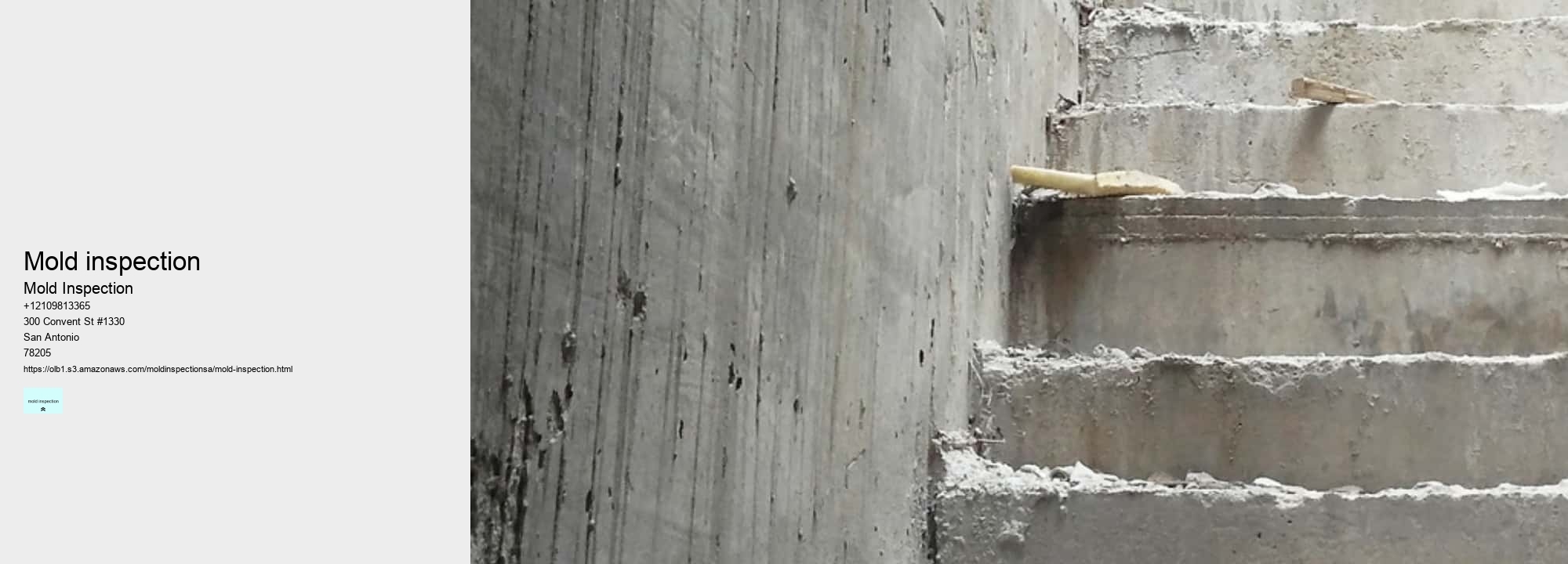

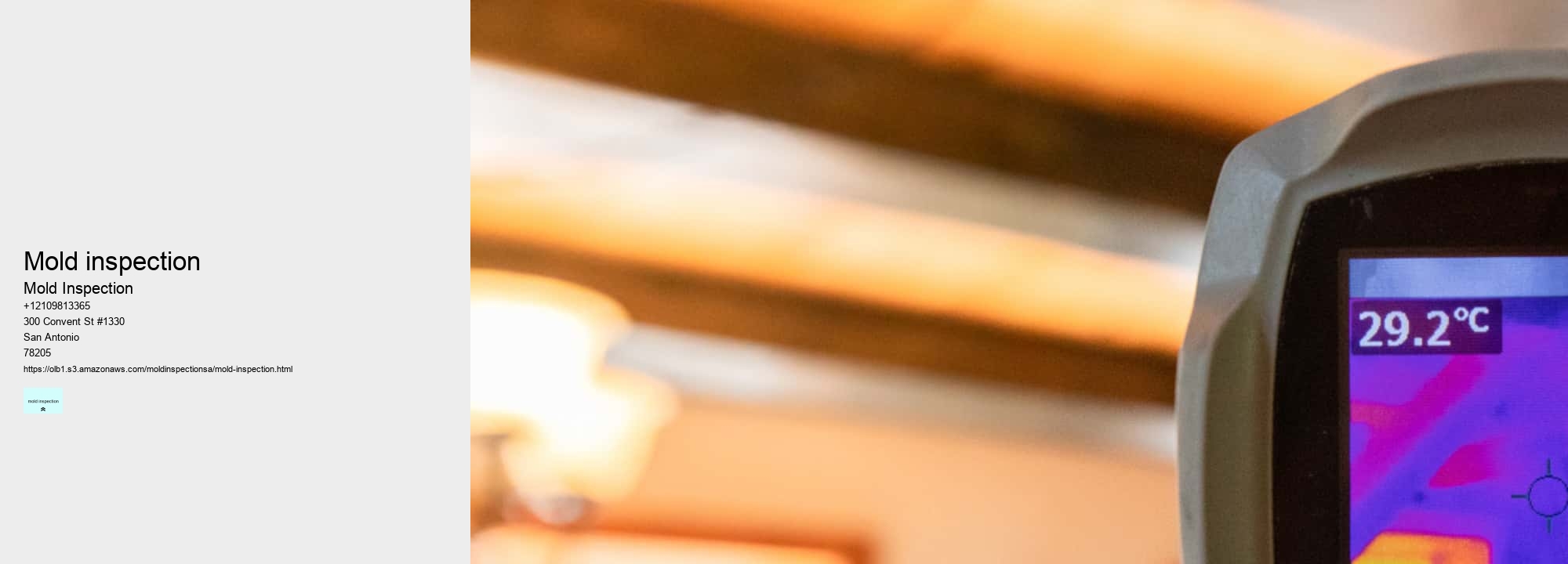
Mold in walls is a serious issue that can cause health problems. (It) Can be difficult to detect, but is there a tool for it? Yes, there are! There are several methods to identify and diagnose mold growth within your walls.
Using a moisture meter might be the most reliable way to detect the presence of mold in walls. This device measures the amount of moisture content in an area and will help you determine if mold is present. It's important to note that this method only works when the wall has been exposed to water or humidity for some time already - it won't detect possible future issues.
Is it bad to sleep with mold in bedroom? (No!) Sleeping with mold in one's bedroom is not only undesirable but can also be dangerous! Mold spores are microscopic particles that are released into the air and can cause severe respiratory issues. Not only does this make sleeping difficult, but it can also have long-term health impacts. In addition, mold can damage furniture, carpets and other fabrics over time. Furthermore, a damp environment is conducive to the growth of mold and can increase the chance of an infestation.
Can mold inside walls make you sick? This is a question that many people are wondering about, and the answer is (yes!)! Mold spores can be found in both indoor and outdoor environments, and when they become airborne, they can cause health problems. Not only can inhaling mold spores make you feel ill, but it can also cause long-term damage to your respiratory system. Even worse, (if) mold grows inside your home's walls, it can actually penetrate other materials like insulation or wallpaper and spread even further into your living space.
Furthermore, mold growth in your home's walls may not be immediately noticeable. Therefore, if left unchecked for too long – which happens more often than not – the health effects could be quite severe. The most common symptoms associated with exposure to mold indoors are runny nose; wheezing; eye irritation; coughs; skin rashes; asthma attacks; headaches; fatigue; nausea and difficulty breathing. In extreme cases of prolonged exposure where there is a large amount of toxic black mold present on the surfaces of the walls, there is even a risk of developing serious infections such as pneumonia or bronchitis!
Mold inspection is very important! (It) can help to identify potential problems in the home, and prevent future issues. It's essential to have a professional mold inspector come and take a look at your house, as they can detect any possible issues that you may not be aware of. Negatively speaking, if left unchecked, mold growth can lead to significant health hazards and costly repairs.
First off, it's important to understand what kind of molds are typically found in homes. The most common type is called Cladosporium, which appears as green or black spots on walls or surfaces. Other types include Aspergillus, Penicillium, Alternaria and Stachybotrys Chartarum - all of which can cause serious respiratory problems for those living in the environment.
Furthermore, having a mold inspection done will alert you to any moisture or humidity levels that are too high for your home. High humidity levels create the perfect conditions for mold spores to grow and spread quickly. (It) could mean water damage from leaking pipes or other sources that you don't know about yet - so discovering this early on is key!
Another great benefit of getting a mold inspection is being able to identify any odors that may point towards an infestation. Musty smells are usually the first sign of trouble - but without proper testing these smells might go unnoticed until its too late! Lastly, if there has been flooding in your area recently then it's absolutely crucial you get inspected right away; Flood waters often contain fungal spores which can contaminate drywall materials and carpets - leading to a dangerous situation when not dealt with swiftly!